
Why Faith-Based Early Childhood Education Sets a Strong Foundation
Christian preschool offers benefits that extend far beyond traditional early childhood education. When preschool combines academic preparation with spiritual formation and character development, children gain advantages that influence their entire educational journey and personal development.
The Unique Value of Christian Preschool
Christian preschool differs fundamentally from secular early childhood programs. While both can provide quality care and learning experiences, Christian preschool intentionally weaves faith into every aspect of the day. This integration means children don't compartmentalize learning and faith. Instead, they develop a unified understanding of the world grounded in biblical principles.
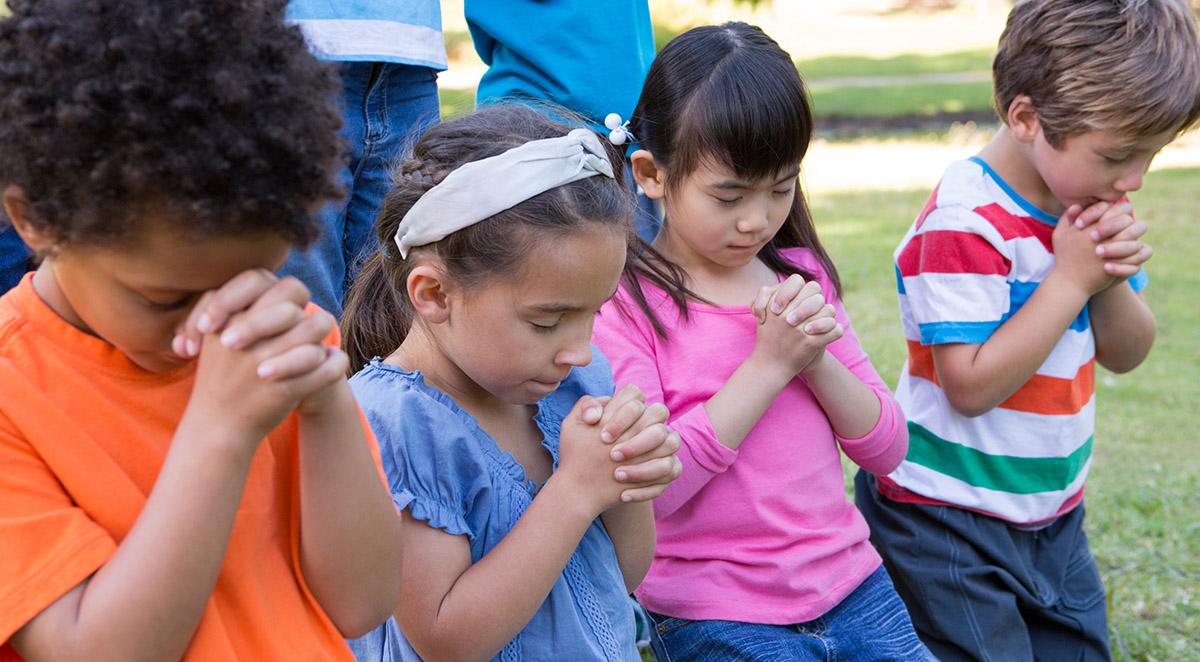
At a Christian preschool like UBCA, the environment itself reflects faith values. Children see prayer modeled naturally throughout the day. They hear Bible stories not as historical narratives but as truth that shapes how we live. Teachers approach their work as ministry, caring for each child as a unique creation of God. This comprehensive approach to early childhood education creates an atmosphere where learning and spiritual formation happen together.
Academic Preparation and School Readiness
One of the primary benefits of Christian preschool is thorough preparation for elementary school success. Quality Christian preschools maintain rigorous academic standards while maintaining the developmentally appropriate, play-based approach that young children need.
UBCA's preschool program focuses on essential foundational skills:
- Early literacy development - Children learn letter recognition, phonemic awareness, and pre-reading skills through engaging, play-based activities
- Mathematical thinking - Preschoolers develop number sense, counting skills, and basic mathematical concepts through hands-on exploration
- Fine motor development - Activities like drawing, cutting, and manipulating objects build the hand strength and coordination necessary for writing
- Gross motor development - Outdoor play and movement activities develop large muscle groups and physical confidence
- Social-emotional skills - Children learn to share, take turns, express feelings appropriately, and interact respectfully with peers
- Language development - Rich vocabulary exposure and conversation help children develop strong communication skills
Research consistently shows that children who attend quality preschool programs enter kindergarten better prepared academically and socially than peers without preschool experience. They're more likely to demonstrate school readiness in areas like following directions, sitting still for instruction, and engaging with academic content.
Building a Biblical Foundation for Life
While academic preparation is important, one of the most distinctive benefits of Christian preschool is the opportunity to build a biblical foundation during these critical early years. Young children are naturally curious about faith questions and are developing their understanding of God, truth, and how to live.
In a Christian preschool setting, children encounter Bible stories, learn about God's character, and begin understanding biblical principles in age-appropriate ways. Rather than these lessons being optional or peripheral, they're integrated throughout the day. A lesson about sharing might connect to Bible stories about generosity. Learning about family relationships might include biblical perspectives on how we treat loved ones.
This early exposure helps children develop biblical literacy and begin forming a Christian worldview. They learn that God loves them, that the Bible is God's Word, and that faith is central to how we understand the world. These foundational beliefs, planted during preschool years, often remain throughout their entire lives.
Character Development from the Earliest Years
Christian preschool emphasizes character development alongside academics. Teachers intentionally model and teach virtues like kindness, honesty, respect, and courage from children's earliest school experiences.
Young children learn character development through:
- Modeling - Teachers demonstrate virtues in their daily interactions with students
- Story-based learning - Bible stories illustrate character traits and their consequences
- Guided practice - Teachers help children practice virtues like sharing, waiting turns, and speaking kindly
- Positive reinforcement - Children receive encouragement for demonstrating good character
- Problem-solving support - When conflicts arise, teachers guide children toward character-based resolutions
This early emphasis on character shapes children's values and behaviors throughout their educational journey. Children who learn kindness, honesty, and respect in preschool are more likely to carry these values forward.
Safe, Nurturing Environment
The preschool environment significantly influences children's sense of security and belonging. Christian preschools typically create particularly safe, nurturing spaces where children feel known and valued as individuals.
At UBCA, our preschool maintains small class sizes, typically 12-18 students per class, allowing teachers to know each child deeply. Children have consistent, caring relationships with teachers who understand their individual needs, learning styles, and personalities. This personalized attention creates security that enables learning and emotional development.
A safe preschool environment includes:
- Low teacher-to-student ratios enabling individualized attention
- Consistent routines and expectations that help children feel secure
- A caring community where children are accepted and valued
- Involvement of families in the child's learning and development
- Clean, well-maintained facilities designed for young learners
- Security measures that protect children
When children feel safe and secure at preschool, they're free to explore, learn, and develop socially and emotionally. This foundation of security becomes the launching pad for all future learning.
Social-Emotional Development
Preschool is often children's first extended experience with peers outside their family. Learning to navigate relationships, manage emotions, and function in a group setting are essential skills developed during preschool years.
Christian preschool specifically addresses social-emotional development through a faith lens. Children learn about treating others with kindness and respect because the Bible teaches us to love one another. They develop conflict resolution skills informed by biblical principles. They learn to manage emotions by turning to God in prayer.
Social-emotional benefits of Christian preschool include:
- Development of friendships and peer relationships
- Learning to express feelings appropriately
- Understanding different perspectives and developing empathy
- Practicing problem-solving and conflict resolution
- Building confidence and self-esteem in a supportive community
- Learning to work cooperatively with others
- Understanding boundaries and respect for authority
These social-emotional skills developed in preschool influence children's relationships throughout life. Children who learn healthy relationship skills early are better equipped to build positive friendships and family relationships.
Spiritual Growth During Critical Years
The preschool years are uniquely suited for spiritual growth. Young children's natural curiosity about spiritual questions, combined with their openness to faith, creates an ideal window for spiritual formation.
Christian preschool provides regular opportunities for spiritual development:
- Daily prayer and discussion of prayer
- Bible stories that children encounter through teaching, songs, and activities
- Discussions about God's love, care, and character
- Observation of Christian community and faith practices
- Celebration of Christian holidays and their spiritual significance
- Learning Bible verses and Christian songs
- Experiencing worship and prayer in community settings
Research on child development indicates that spiritual formation during early childhood creates lasting foundations. Children who encounter faith and spirituality during preschool years often develop deeper faith commitments throughout their lives.
Family Involvement and Partnership
Quality Christian preschools view parents as essential partners in their children's development. UBCA's preschool program actively involves families through communication, involvement opportunities, and partnership in learning.
Family involvement in Christian preschool typically includes:
- Regular communication about children's academic progress, social-emotional development, and spiritual growth
- Chapel services that families are invited and encouraged to attend, experiencing the school's spiritual culture together
- Special events where families participate in school celebrations and traditions
- Volunteer opportunities for parents to contribute to the school community
- Partnership in spiritual formation where home and school reinforce faith values together
- Shared responsibility for character development, with school and home working toward consistent values
When families are meaningfully involved in preschool, benefits extend beyond the school day. Children experience consistency between home and school values, and families feel connected to their child's educational and spiritual journey.
Long-Term Academic and Personal Benefits
The benefits of Christian preschool extend far beyond the preschool years themselves. Research in child development demonstrates that quality early childhood education produces lasting academic and personal benefits.
Children who attend quality preschools:
- Demonstrate higher academic achievement throughout their elementary years
- Develop stronger foundational skills in reading and mathematics
- Demonstrate better social and emotional skills
- Show increased confidence and positive self-image
- Exhibit better behavior and classroom conduct
- Are more likely to graduate from high school and pursue further education
- Develop stronger values and ethical decision-making
- Build healthy relationships and social connections
For Christian preschool specifically, additional long-term benefits include:
- Development of a biblical worldview that influences life decisions
- Stronger faith commitments and spiritual values
- Character-based decision-making rooted in biblical principles
- Understanding of themselves as God's creation with unique purpose
Choosing Quality Christian Preschool
Not all Christian preschools are created equal. When selecting a Christian preschool, parents should evaluate several factors:
Faith Integration
How authentically does the program integrate faith throughout the day? Are Bible stories and prayer central, or peripheral? Do teachers model faith values in their interactions with children?
Academic Quality
Does the program provide rigorous, developmentally appropriate academic preparation? Are learning activities thoughtfully designed to build foundational skills?
Staff Quality and Training
Are teachers experienced in early childhood education? Do they have training in child development? Are they passionate about both academic excellence and spiritual formation?
Safe, Nurturing Environment
Is the facility clean, safe, and designed for young learners? Do teachers create warm, caring relationships with students? Is the ratio of teachers to students appropriate?
Family Partnership
How involved are families in the program? Are communication and involvement opportunities regular and meaningful? Do families feel like partners in their child's development?
Values Alignment
Do the school's Christian values align with your family's beliefs? Is the approach to faith formation consistent with your faith tradition?
Preschool as Foundation for Educational Success
Christian preschool serves as a foundation for educational success that extends throughout a child's academic career. Children who begin their educational journey in a quality Christian preschool develop not just academically but spiritually and personally.
The benefits compound over time. Strong foundational skills support success in elementary school. Early character development creates positive patterns that influence behavior throughout schooling. Spiritual formation during preschool often deepens throughout a child's life. The relationships and community experiences in preschool create a sense of belonging that children carry forward.
Frequently Asked Questions
At what age should children start preschool?
Many Christian preschools, including UBCA, serve children beginning at age three. This allows children to benefit from two to three years of preschool experience before entering kindergarten, maximizing academic and developmental benefits.
Is preschool necessary for kindergarten readiness?
While not absolutely necessary, quality preschool significantly improves kindergarten readiness. Children with preschool experience typically enter kindergarten with stronger academic skills, better social-emotional development, and greater confidence.
How does Christian preschool differ from secular preschool?
Christian preschool intentionally integrates faith throughout the curriculum and daily activities. Bible stories, prayer, and spiritual formation are central rather than peripheral. Teachers approach their work from a Christian perspective, modeling faith values in their interactions.
What should I look for in a quality Christian preschool?
Look for faith integration, academic rigor, experienced teachers, safe nurturing environment, family partnership, and values alignment with your family. Visit programs, observe classrooms, and ask detailed questions about curriculum and approach.
How much does Christian preschool cost?
Costs vary by program. UBCA offers affordable Christian preschool options, and many Christian schools participate in scholarship programs like the Utah Fits All Scholarship that can significantly reduce costs or provide tuition-free attendance.
Will my child be academically prepared for kindergarten?
Quality Christian preschools maintain rigorous academic standards while using developmentally appropriate, play-based approaches. Children develop strong foundations in pre-reading, pre-math, fine motor, and social-emotional skills that prepare them for kindergarten success.
Starting Your Child's Educational Journey Right
The preschool years are precious and formative. Choosing a Christian preschool is an investment in your child's academic preparation, social-emotional development, and spiritual foundation. The benefits extend far beyond the preschool years, influencing your child's entire educational journey and personal development.
Quality Christian preschool like UBCA provides the comprehensive foundation - academic, social-emotional, and spiritual - that sets children up for success in school and in life. If you're considering preschool options for your child, a Christian preschool offers distinctive benefits worth exploring.
Contact UBCA today to learn more about our preschool program and how we can partner with your family in your child's early education and spiritual formation.