Eagles Blog

At Uintah Basin Christian Academy (UBCA), Biblical values education is woven into the rhythm of every school day. Our mission is to glorify God by partnering with parents to equip their children to be followers of Christ through excellence in education, and Christian character formation sits right at the heart of that purpose.

The school year is over and summer break has officially begun. But for many parents, this long, unstructured time comes with a familiar worry: will my child fall behind before the new school year starts? The phenomenon known as "summer slide" is real, and it affects students of every age and ability level. The good news is that with a little intentionality, summer can become one of the most enriching seasons of the year.
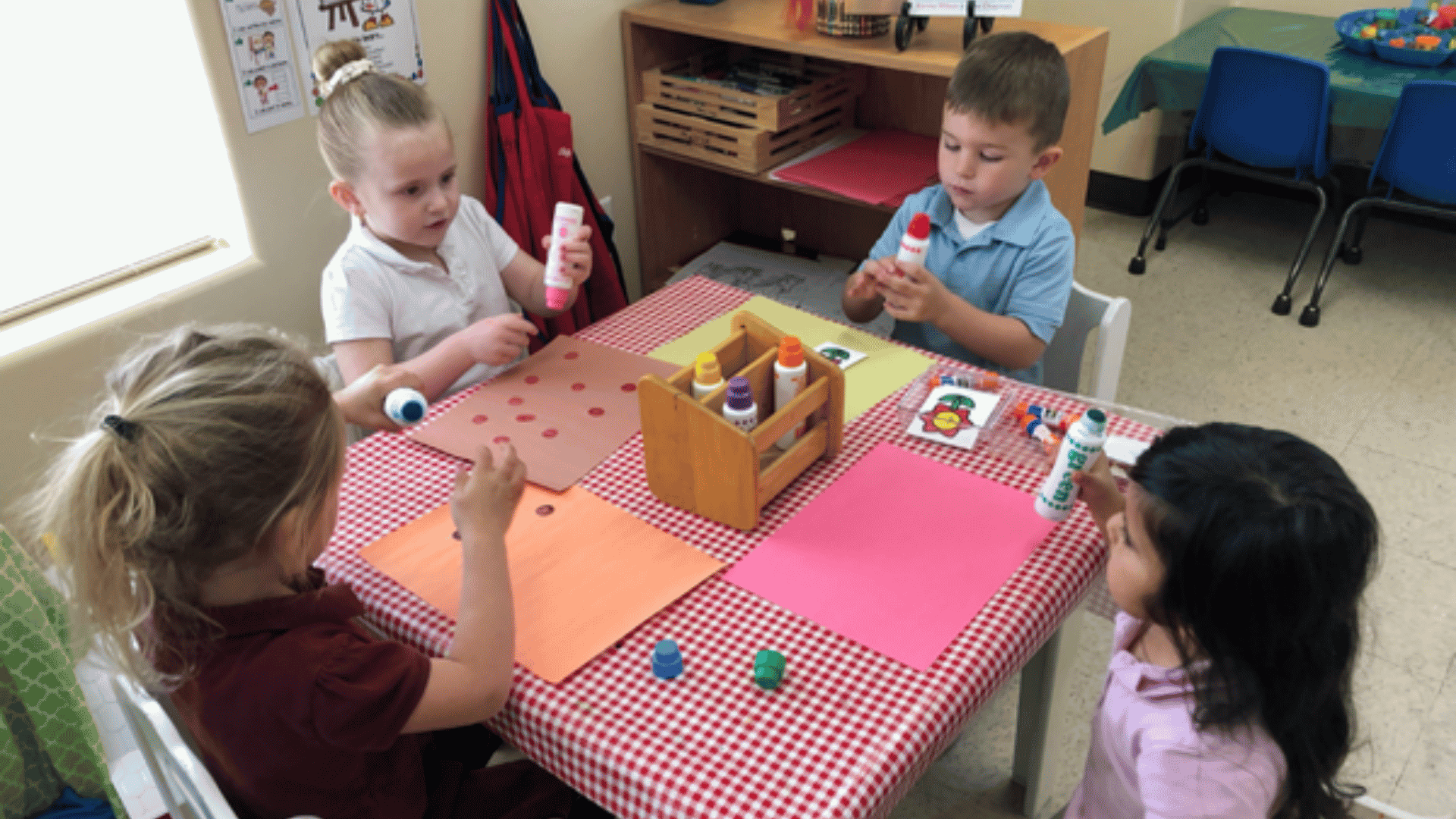
The lazy rhythm of summer has a way of slipping by quickly, and before long the backpacks come out of the closet and the alarm clocks return to their early settings. At Uintah Basin Christian Academy, we believe the start of a new school year is a spiritual milestone worth preparing for intentionally. A faith-based approach to back-to-school helps your family move from summer freedom to a purposeful routine while keeping Christ at the center of the transition.

As parents, we want our children to grow up loving the country they call home. We want them to understand the sacrifices that built it, the principles that sustain it, and the responsibility they carry as citizens. But in a world full of extremes, teaching patriotism requires more than waving a flag on the Fourth of July.